
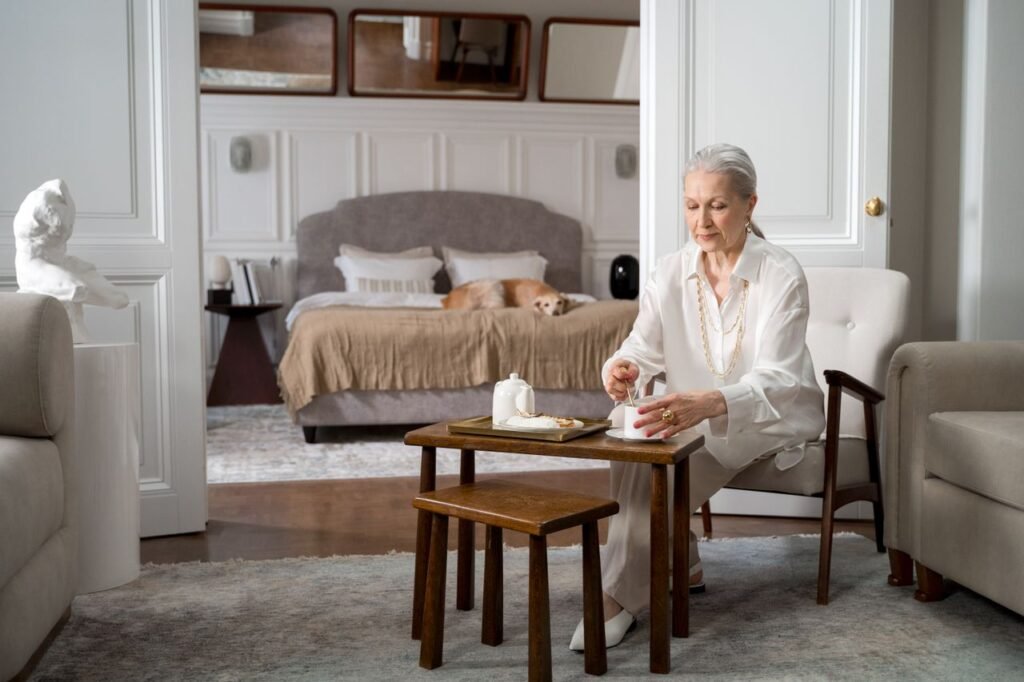
Improving your health does not always require a complete lifestyle transformation. Small actions repeated consistently can support your physical health, mood and energy, especially when work, caring responsibilities or family life leave little time for yourself.
The aim is not to create a perfect routine. Choose habits that fit your circumstances, abilities and health needs. Start with one or two, make them easier to repeat and gradually build from there.
1. Begin the day with water and a simple plan
After waking, drink some water and take a moment to decide what matters most that day. A short plan can reduce the feeling that everything is equally urgent.
Try choosing:
- One essential task
- One task that can wait
- One small action for your own wellbeing
Keep water where you can see and reach it throughout the day. The NHS advises that most people should aim for enough fluid to keep their urine a clear, pale-yellow colour. The government’s Eatwell Guide suggests six to eight cups or glasses of fluid a day as a general guide, although some people need more.
If a clinician has advised you to restrict fluids, follow their personalised guidance instead.
2. Build balanced meals around what is practical
Healthy eating does not require expensive ingredients or complicated recipes. Aim to include a mixture of fruit and vegetables, higher-fibre starchy foods, protein and dairy or suitable alternatives across the day.
Practical options might include:
- Porridge with fruit
- Eggs on wholemeal toast
- Soup with beans or lentils
- Rice with vegetables and fish, meat or tofu
- Yoghurt with fruit and seeds
- A baked potato with a protein-rich filling
Preparing an extra portion for another day can help when your schedule is unpredictable. Keeping simple foods available may also reduce the temptation to skip meals when you are busy.
Use the NHS Eatwell Guide as a flexible picture of balance over time rather than a demand for every meal to look perfect.
3. Add short periods of movement
Physical activity does not have to happen in a gym. Walking, dancing, gardening, cycling, swimming, housework and seated exercise can all contribute.
The NHS recommends that adults aged 19 to 64 aim for at least 150 minutes of moderate-intensity activity each week, or 75 minutes of vigorous activity, alongside strengthening activities on two days. Activity should suit your ability and health.
If that target currently feels too large, begin with a manageable amount. A brisk 10-minute daily walk counts towards the weekly total.
You could also:
- Walk while making a telephone call
- Stretch after sitting for a long period
- Take the stairs when appropriate
- Complete a short exercise video at home
- Park slightly farther from your destination
- Use seated movements if standing activity is difficult
Speak to your GP before increasing your activity if you have not exercised for some time or have medical concerns.
4. Protect one genuine pause
Many people move from one responsibility to another without allowing their minds to settle. Create one short pause each day that is not filled with work, scrolling or organising someone else’s needs.
You could sit with a cup of tea, practise slow breathing, step outside or listen to a calming piece of music.
For a simple mindful pause:
- Place your feet comfortably.
- Notice your breathing without forcing it.
- Identify what you can see, hear and feel.
- Allow thoughts to pass without judging yourself.
- Return your attention to the present moment.
The NHS includes paying attention to the present moment among its five steps to mental wellbeing.
5. Connect with another person
Good relationships can provide emotional support, a sense of belonging and opportunities to share positive experiences.
Connection does not have to involve a large social event. Send a message, speak to a neighbour, call a relative or arrange a short walk with someone you trust.
If you feel isolated, consider a local community group, faith community, class or online group built around a genuine interest. Carers may also benefit from connecting with people who understand similar responsibilities.
Try to have at least one conversation in which you can answer honestly when someone asks how you are.
6. Notice what is draining your energy
Your wellbeing is influenced not only by what you add to your day, but also by what you reduce.
At the end of the day, ask:
- What gave me energy?
- What left me feeling depleted?
- What am I carrying that could be shared?
- What boundary would make tomorrow easier?
You may notice that constant notifications, unclear commitments, skipped breaks or saying yes automatically are making life harder.
Choose one small adjustment. Silence non-essential notifications, ask for help, delay a task or explain that you cannot take on another responsibility.
A healthy boundary can be respectful and direct: “I cannot do that today, but I can help on Thursday.”
7. Create a repeatable evening routine
A consistent wind-down routine can help prepare your body and mind for sleep.
Try to keep your bedtime and waking time reasonably regular. Reduce stimulating activity before bed and create an environment that is comfortable, dark and quiet where possible.
Caffeine in tea, coffee and some soft drinks can keep you awake, while screens may make it harder to settle. NHS Every Mind Matters provides further guidance on how to fall asleep faster and sleep better.
A simple routine might include:
- Preparing what you need for the morning
- Dimming bright lights
- Putting your phone away
- Washing or showering
- Reading or listening to something calming
- Writing down thoughts that are keeping you awake
If sleep problems continue for months or significantly affect your daily life, speak to your GP.
Start smaller than you think
Choose one habit that feels almost too easy. Drink a glass of water after waking, take a 10-minute walk, contact one friend or put your phone away 20 minutes before bed.
Repeat it until it begins to feel normal, then consider adding another. Progress is more sustainable when your routine supports your life instead of becoming another source of pressure.
If you have persistent symptoms, concerns about your physical or mental health, or need advice tailored to a medical condition, contact your GP or another appropriate healthcare professional.
This article provides general wellbeing information and is not a substitute for personalised medical advice.